Website: Sanwood
Language:
English

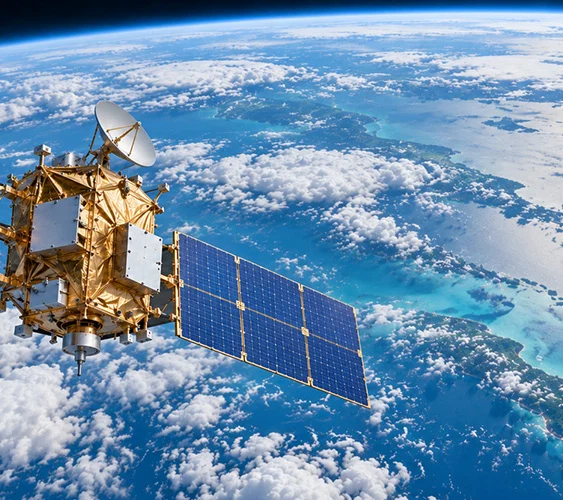
Aerospace Environmental Reliability Testing

Sanwood aerospace environmental reliability testing systems are engineered to validate the airworthiness and structural survivability of avionics, mission-critical flight controls, and low-altitude UAVs operating under severe atmospheric transitions. This specialized application framework pairs rapid vacuum depressurization with extreme temperature loops—leveraging Altitude Test Chambers alongside HALT & HASS Chambers—to replicate high-altitude hypobaric flight paths and unpressurized cargo transit.

By forcing rapid volume changes and dielectric boundary degradation, the platform systematically exposes microscopic seal breaches, structural swelling, and localized high-voltage arc tracking (Paschen's Law), delivering definitive environmental survival data in strict compliance with RTCA DO-160G and MIL-STD-810H.

Aerospace semiconductor environmental testing must comply with strict international standards for airborne equipment, military electronics, and space applications to ensure operational reliability and environmental durability.

  • RTCA DO-160: Aircraft environmental qualification testing
  • MIL-STD-810: Military and aerospace environmental durability
  • ECSS Standards: Space system qualification (European space programs)
  • NASA Standards: Thermal vacuum and space simulation testing
  • IEC 60068: Baseline environmental stress testing
  • DO-254 / ARP4754A: Safety-critical avionics system certification


Modern aerospace and avionics systems require highly reliable semiconductor components capable of operating under extreme environmental conditions. Environmental simulation testing helps ensure operational stability, mission reliability, and long-term durability for aerospace electronic systems.

  • satellite onboard computing and space AI processors
  • avionics flight control computers (FCC / FMS systems)
  • space-grade FPGA and radiation-tolerant ICs
  • radar and deep-space communication payload electronics
  • spacecraft power management and energy distribution systems
  • navigation and guidance semiconductor modules
  • high-altitude UAV and aerospace control electronics
  • space exploration and deep-space mission computing systems


Environmental reliability testing is used to evaluate aerospace semiconductor durability, vacuum resistance, thermal stability, vibration resistance, and low-pressure operational performance under extreme aerospace environments.

  • Thermal Vacuum Test: Simulate space vacuum and orbital thermal cycles, Thermal Vacuum Chamber.
  • Altitude / Low Pressure Test: Simulate aircraft ascent and pressure drop, Altitude Test Chamber.
  • Thermal Cycling Test: Simulate orbit day/night temperature extremes, Space Thermal Cycling Chamber.
  • Vibration Test (Launch Profile): Simulate rocket launch structural stress, Aerospace Vibration System.
  • Shock Test: Simulate payload separation and impact events, Shock Test System.
  • Humidity Test: Prevent corrosion before spacecraft deployment, Climatic Test Chamber.

Aerospace Environmental Reliability Testing

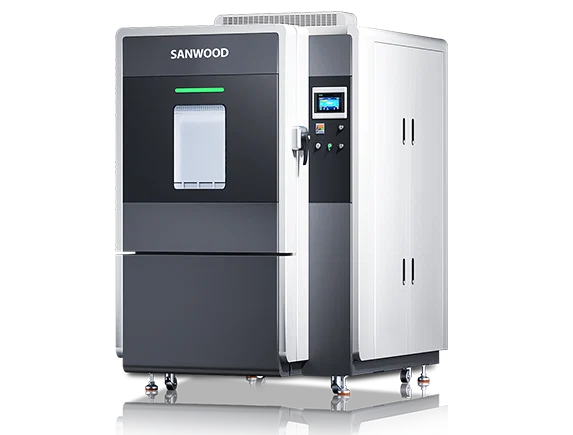
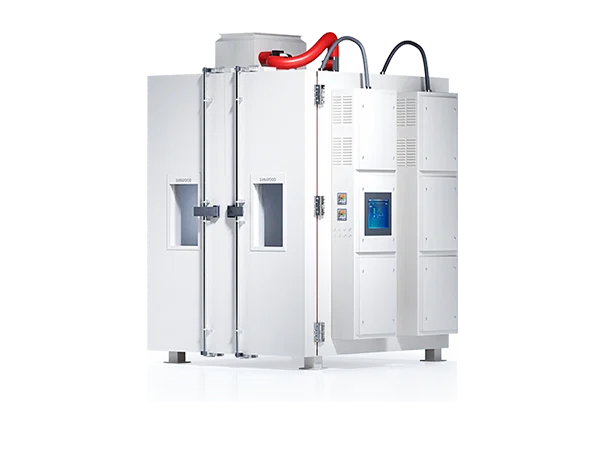
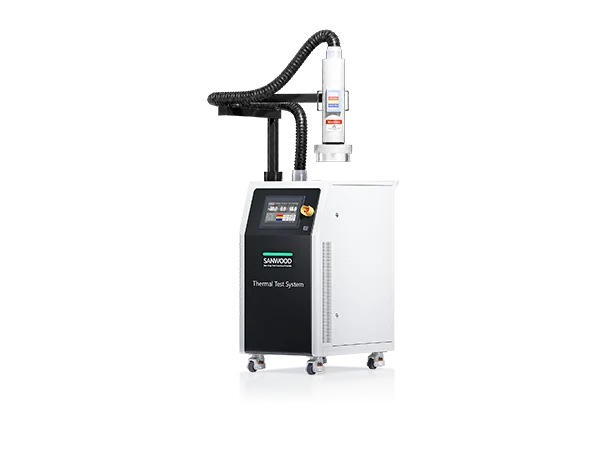
Rapid-Rate Temperature Change Chambers (ESS)

Rapid-Rate Temperature Change Chambers (ESS)

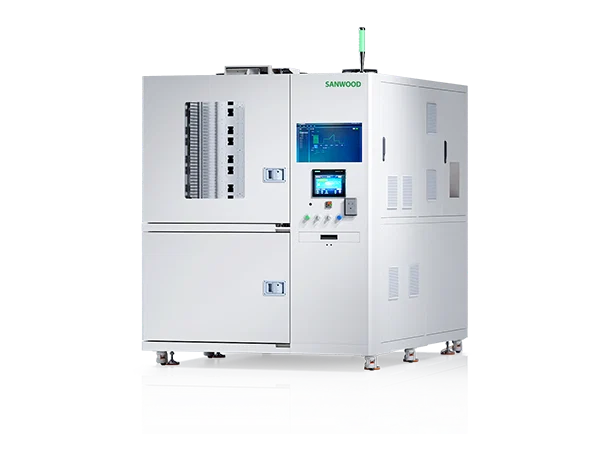
Component validation in high-reliability fields requires absolute environmental stress repeatability. Standard chambers often suffer from slope decay at thermal extremes, compromising screening metrics...

Check out the product
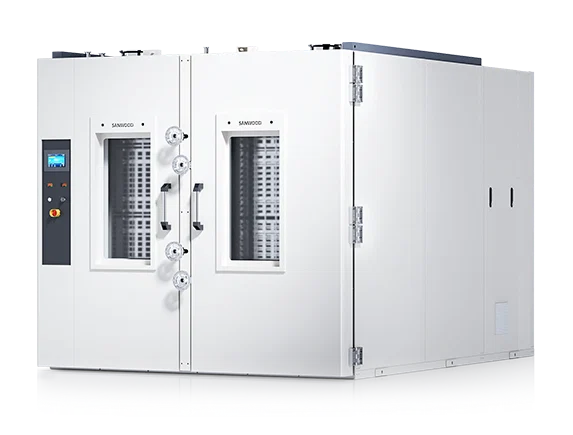
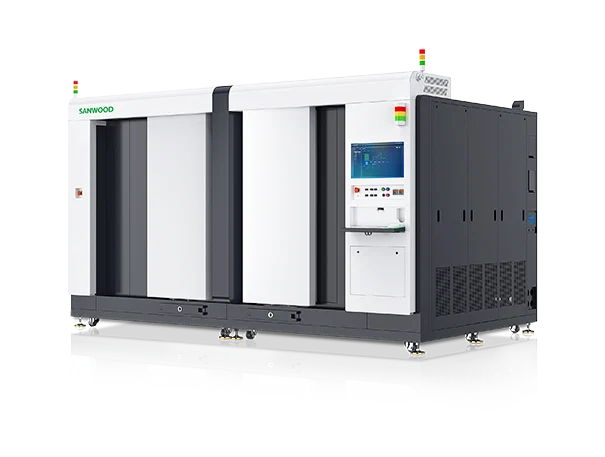
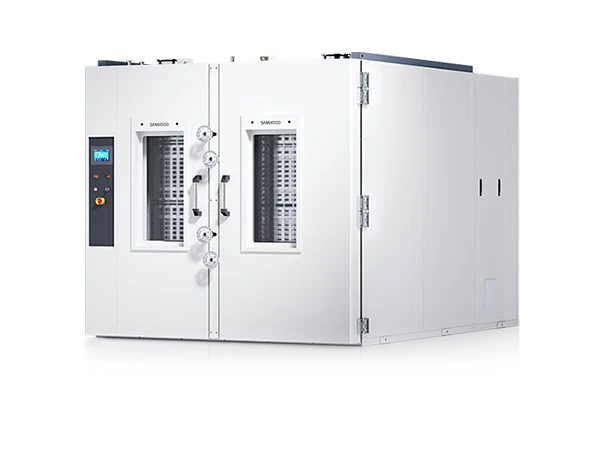
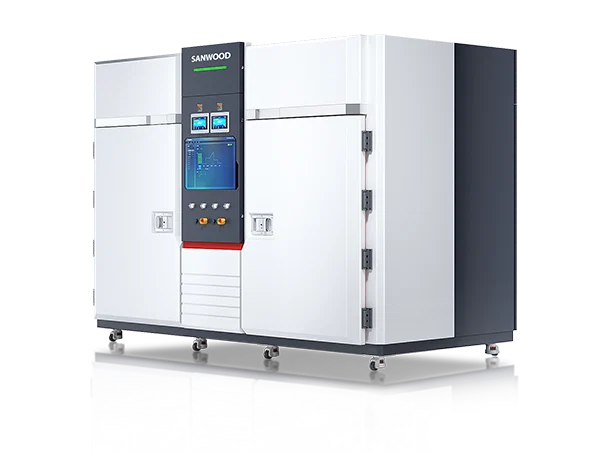
Walk-In Low Pressure Simulation Chamber for AI Server Reliability Testing

Walk-In Low Pressure Simulation Chamber for AI Server Reliability Testing

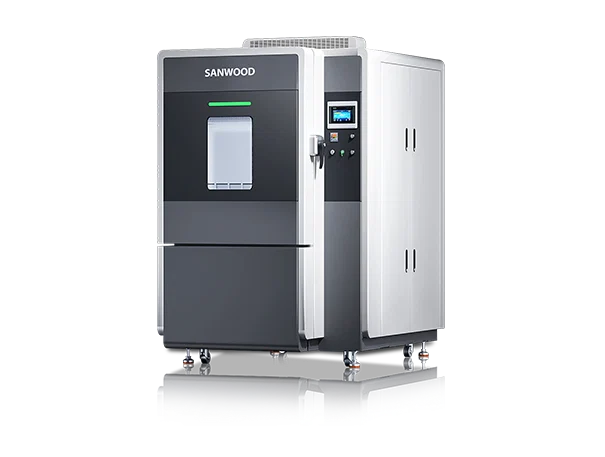
Validating next-gen AI cluster infrastructure at high altitudes presents a severe thermodynamic challenge. As atmospheric pressure drops, air density plummets, reducing the heat-carrying mass capacity ...

Check out the product
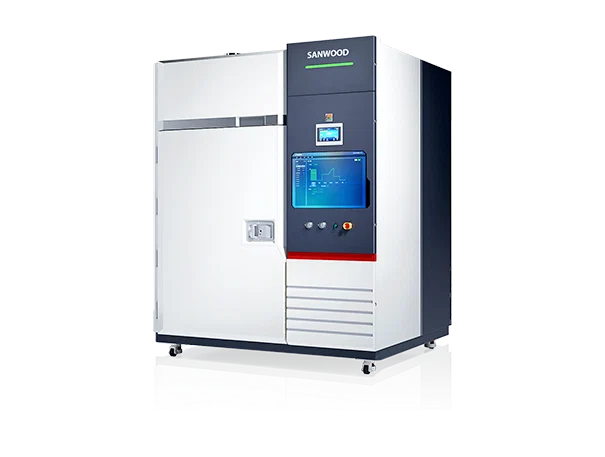
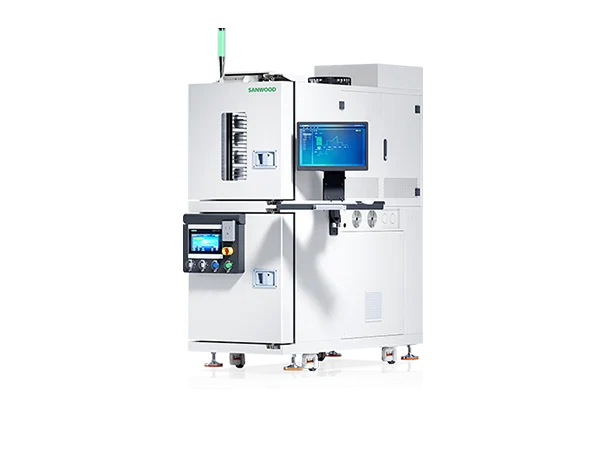
AGREE Test Chamber

AGREE Test Chamber

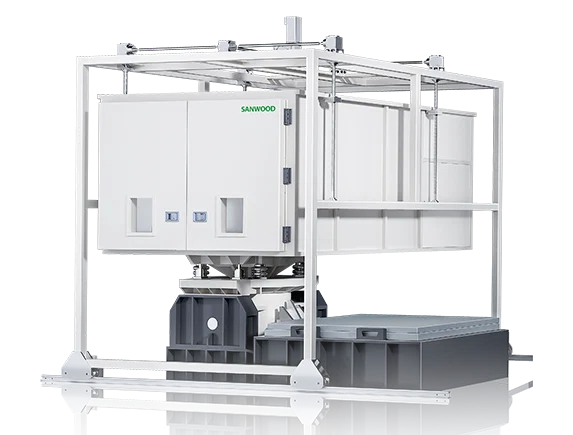
Validating aerospace avionics and automotive electronics against actual mission profiles demands the simultaneous application of thermal, moisture, and dynamic mechanical stresses. Testing components s...

Check out the product

Want to know more? Talk to an expert! Leave a message and a specialist will get back to you.

Information on how we processyour personal data.