Temperature Forcing System FAQs
Q1: Does the 10-second air transition mean my sample reaches temperature in 10 seconds?
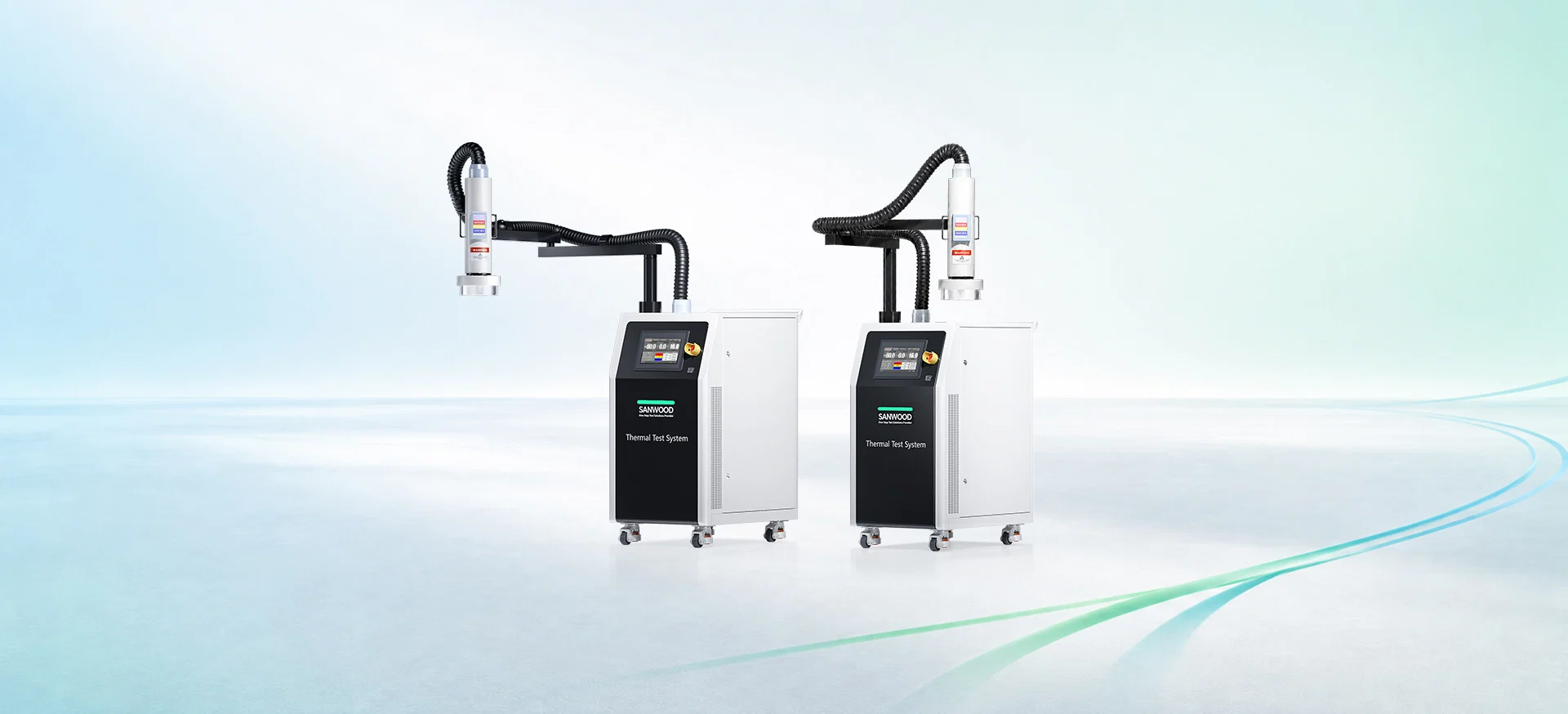
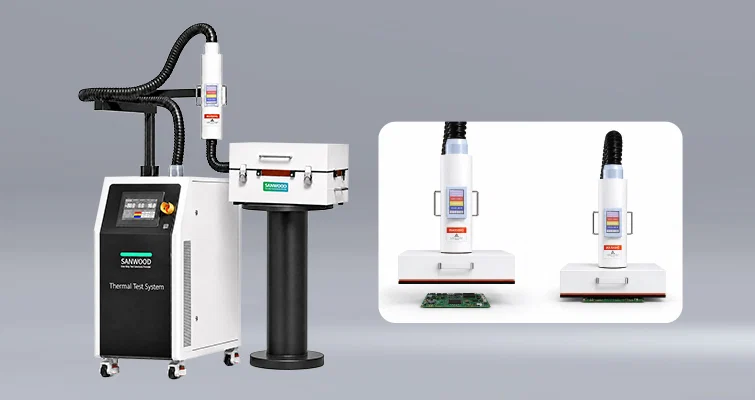
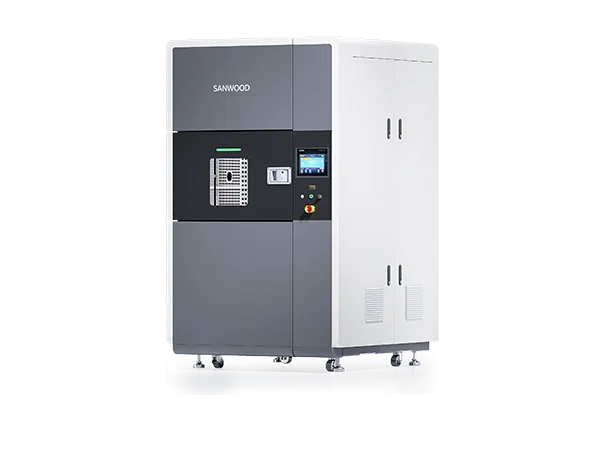
A: The SANWOOD SMS-810-10S specification describes a typical air temperature transition between −55°C and +125°C in either direction. Sample response depends on thermal mass, package construction, power dissipation, airflow and fixture conduction. For test timing, measure the sample at a defined location and begin the dwell or measurement period after it meets the required temperature tolerance and stabilization criterion.
Q2: Should I use Air Mode or DUT Mode for IC temperature testing?
A: Use Air Mode when the test requires control of the supplied air temperature. Use DUT Mode when temperature feedback from the device under test is the required control reference. The SMS-810-10S supports external Type-T and Type-K thermocouples. Define the sensor attachment point carefully: a package-surface reading represents that location, while chip junction temperature requires a suitable measurement or estimation method.
Q3: Can the system test powered ICs and optical transceivers?
A: The system can provide thermal conditioning while external equipment powers the sample and measures its response. Suitability depends on whether the selected setup can maintain the required sample temperature under operating load. Specify power dissipation in watts, target temperature, package dimensions and fixture details. Where power changes during operation, evaluate temperature response under the representative workload rather than relying on unloaded air performance.
Q4: How should condensation and frost be managed during cold testing?
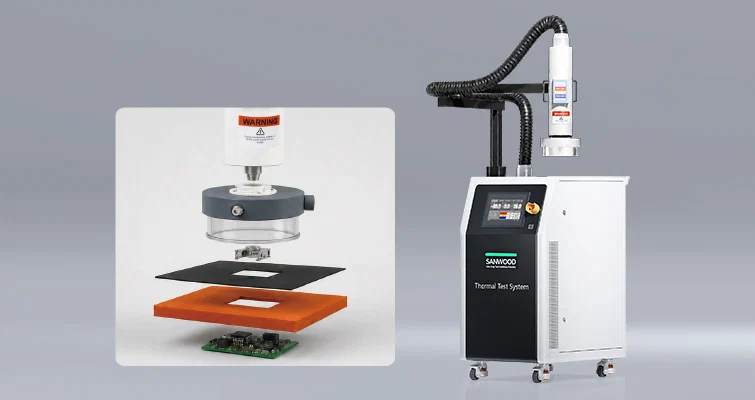
A: Use suitably dry supply air and control moisture around exposed cold surfaces. Depending on the fixture and ambient conditions, a thermal cap, shroud or dry-air purge arrangement may be needed. Confirm which measures are included or required for the selected configuration. Review supply-air dew point and moisture ingress before cold testing, especially when the sample will be electrically powered.
Q5: How does a temperature forcing system differ from an environmental test chamber?
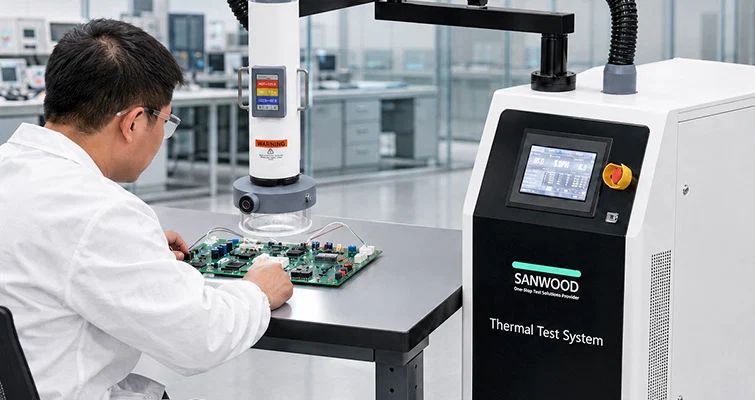
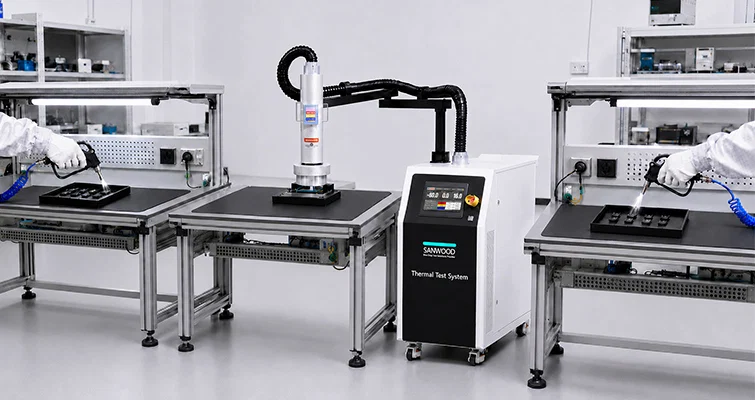
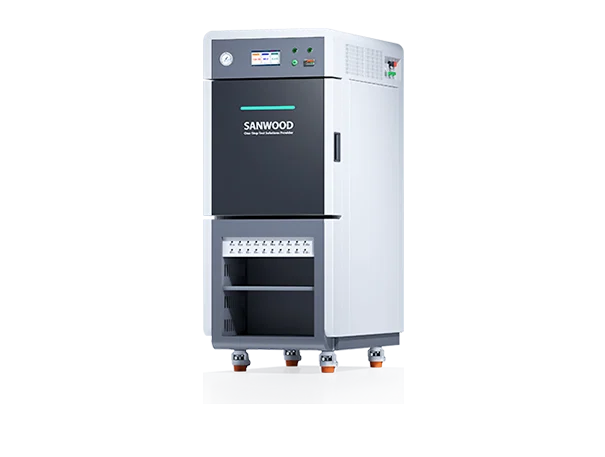
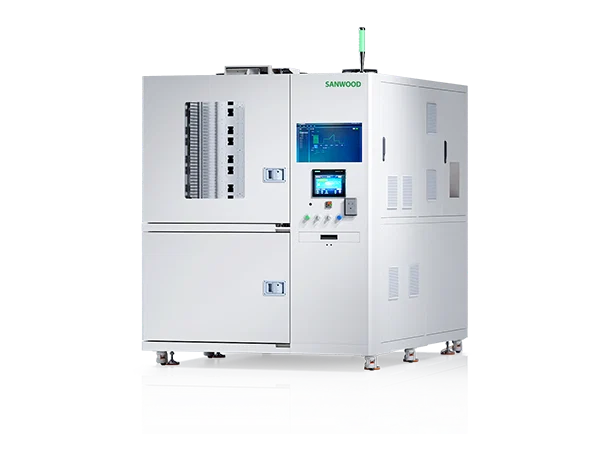
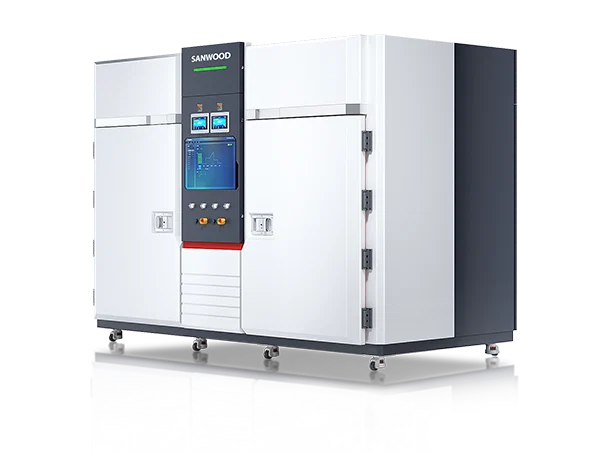
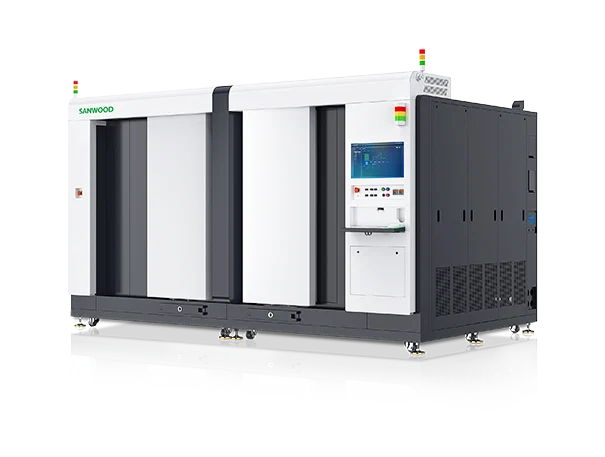
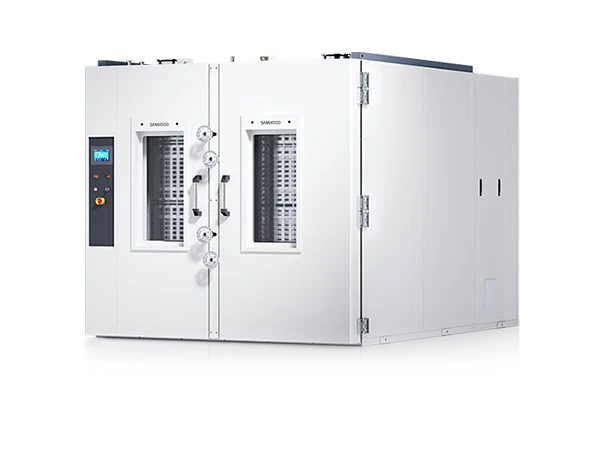
A: A temperature forcing system conditions a selected component or test area with localized airflow. An environmental test chamber controls conditions around samples within an enclosed volume. Choose a climatic test chamber with humidity control when the procedure requires combined temperature and humidity exposure. Sample size, exposure coverage, measurement access and the prescribed test method determine the appropriate equipment. Suitably configured chambers can also accommodate powered samples and measurement connections.
Q6: Can the SMS-810-10S connect to automated test equipment?
A: The SMS-810-10S provides LAN and CAN interfaces for host-PC monitoring, and its thermal-head positioning supports remote interface control. Integration with automated test equipment requires verification of the available commands, status signals, communication protocol and measurement synchronization. Identify whether your platform needs monitoring only, temperature control, positioning control or a coordinated test sequence, then confirm the supported functions with SANWOOD.
Q7: Can the system be used for JEDEC JESD22-A104 temperature cycling?
A: Suitability must be assessed against the specified JESD22-A104 test condition and the actual specimen. Review temperature limits, specimen ramp rate, stabilization, dwell time, cycle count and the required equipment arrangement. A rapid air transition does not by itself establish a compliant specimen temperature profile. For qualification work, validate the configured setup with measured temperature records before using it for the prescribed test.

 English
 中 文
中 文


 info@sanwood.com