Website: Sanwood
Language:
English

Automotive Environmental Reliability Testing

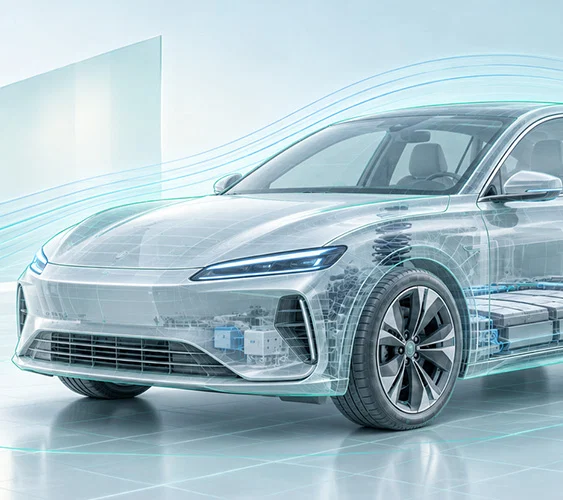
Validating mission-critical automotive electronics, high-voltage EV powertrains, and advanced driver-assistance systems (ADAS) modules requires simulating the combined stresses of harsh under-hood and on-road environments. Sanwood automotive environmental reliability testing systems expose components to severe cyclic profiles, combining aggressive rapid-rate temperature change with moisture ingress parameters. By cross-deploying HALT & HASS Chambers, Thermal Shock Test Chambers, and Temperature Humidity Test Chambers, this multi-axis validation strategy targets the structural integrity of heavy-duty solder joints, sensory lenses, and hermetic seals under active load conditions, ensuring that electronic assemblies can withstand a lifetime of thermal abuse in compliance with ISO 16750, AEC-Q100/Q101, and ISO 26262.

Automotive semiconductor environmental testing must comply with international reliability and safety standards to ensure product quality, operational durability, and functional safety in modern vehicle systems.

  • AEC-Q100: Automotive integrated circuit qualification.
  • AEC-Q101: Power semiconductor qualification
  • ISO 16750: Automotive electronic environmental testing.
  • ISO 26262: Functional safety for road vehicles.
  • IEC 60068: Environmental simulation testing.
  • JESD22 Series: Semiconductor reliability testing.


Automotive electronics are rapidly evolving toward electrification, intelligent driving, and high-performance computing. Environmental reliability testing helps ensure the long-term stability, safety, and durability of semiconductor components and electronic control systems operating in harsh automotive environments.

  • Automotive AI chips & ADAS processors
  • Autonomous driving SoCs
  • EV battery management systems (BMS)
  • SiC/GaN power semiconductors
  • Automotive ECU modules
  • Radar, LiDAR & camera sensors
  • Automotive MEMS devices
  • Vehicle power control modules
  • Automotive liquid cooling systems
  • High-performance vehicle computing platforms


Environmental reliability testing is used to evaluate semiconductor durability, thermal stability, moisture resistance, vibration resistance, and long-term operational reliability under harsh automotive operating conditions. These tests help identify solder fatigue, corrosion, package cracking, delamination, and thermal interface degradation before products enter mass production:

  • Thermal Cycling Testing: Evaluate solder fatigue & package reliability, Thermal Cycling Chamber.
  • Thermal Shock Testing: Simulate rapid temperature transitions, Thermal Shock Test Chamber.
  • Temperature Humidity Bias: Moisture resistance validation, Temperature & Humidity Test Chamber.
  • HAST Testing: Accelerated humidity stress testing, HAST Chamber.
  • Burn-In Testing: Early-life semiconductor failure screening, Burn-In Test System.
  • ESS Testing: Accelerated reliability screening, Rapid Temperature Change Chamber (ESS Chamber).
  • Vibration & Shock Testing: Vehicle operation durability validation, Vibration Test System.
  • High & Low Temperature Testing: Extreme climate performance validation, Extreme climate performance validation.


Automotive Environmental Reliability Testing

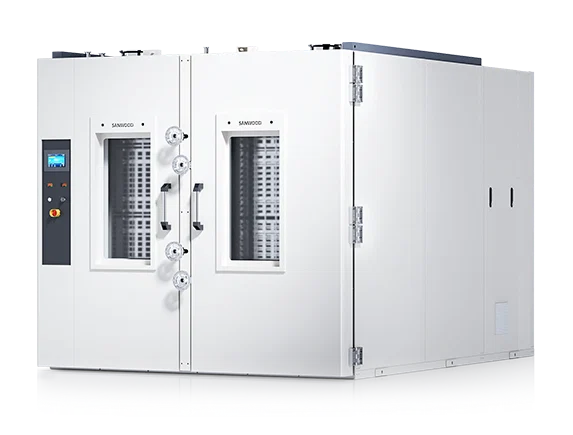
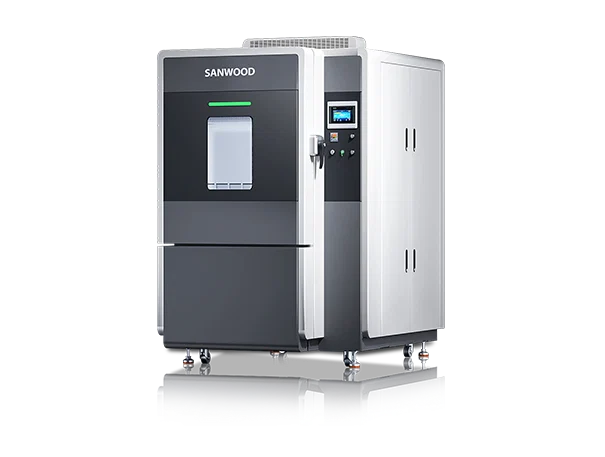
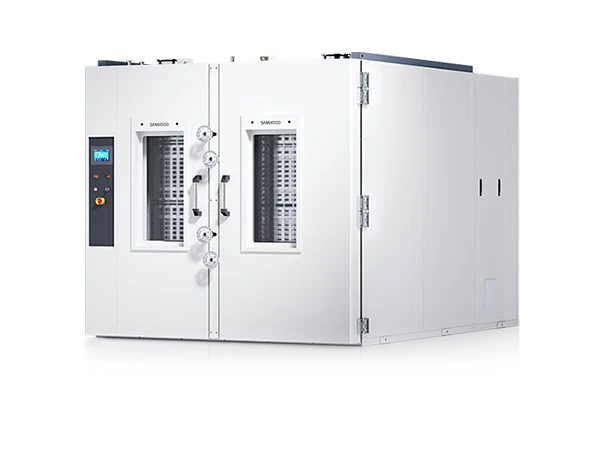
Rapid-Rate Temperature Change Chambers (ESS)

Rapid-Rate Temperature Change Chambers (ESS)

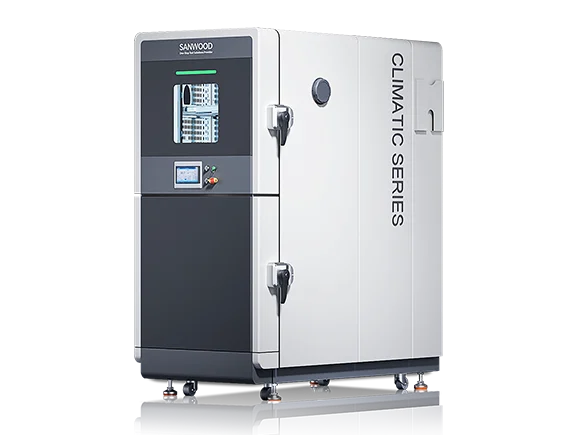
Component validation in high-reliability fields requires absolute environmental stress repeatability. Standard chambers often suffer from slope decay at thermal extremes, compromising screening metrics...

Check out the product
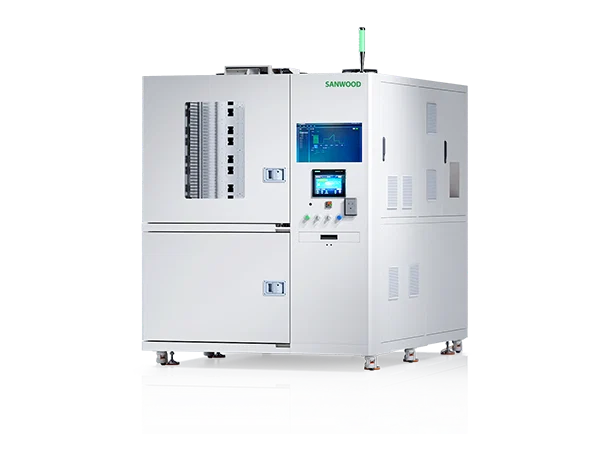
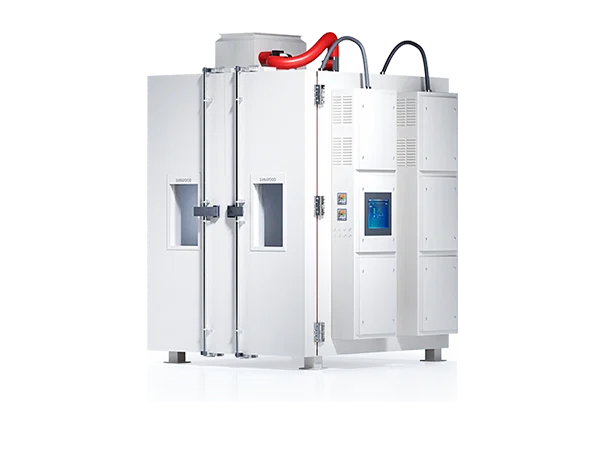
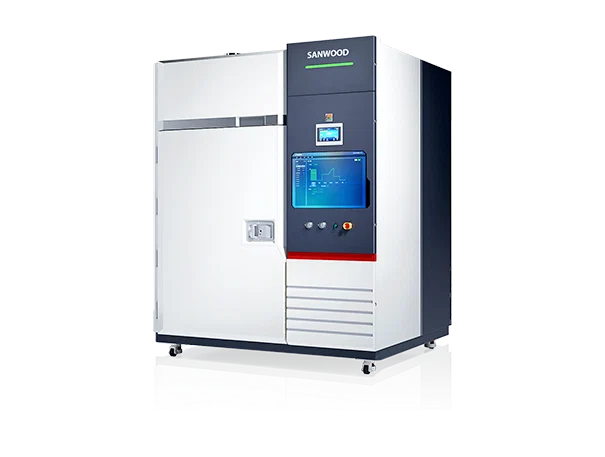
Two zone Thermal Shock Test Chamber

Two zone Thermal Shock Test Chamber

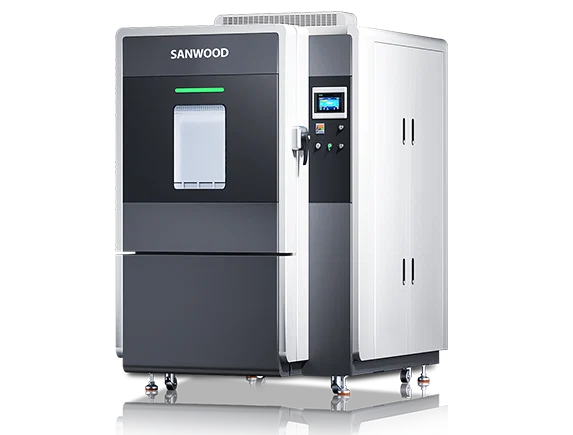
Validating semiconductor packages, automotive ECUs, and high-density electronics against sudden, extreme temperature shifts demands immediate thermal shock, not gradual cycling. Traditional chambers in...

Check out the product
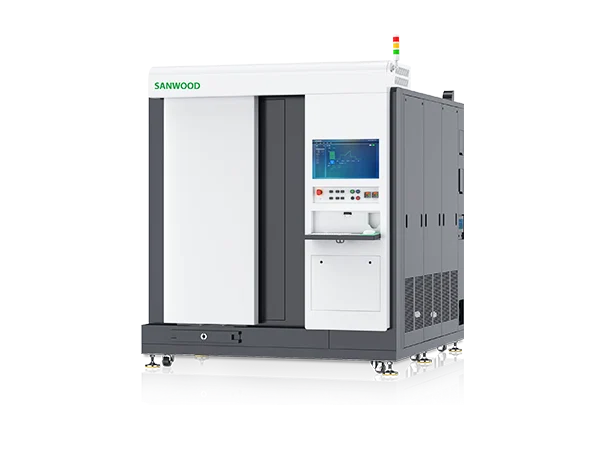
Walk-In Low Pressure Simulation Chamber for AI Server Reliability Testing

Walk-In Low Pressure Simulation Chamber for AI Server Reliability Testing

Validating next-gen AI cluster infrastructure at high altitudes presents a severe thermodynamic challenge. As atmospheric pressure drops, air density plummets, reducing the heat-carrying mass capacity ...

Check out the product
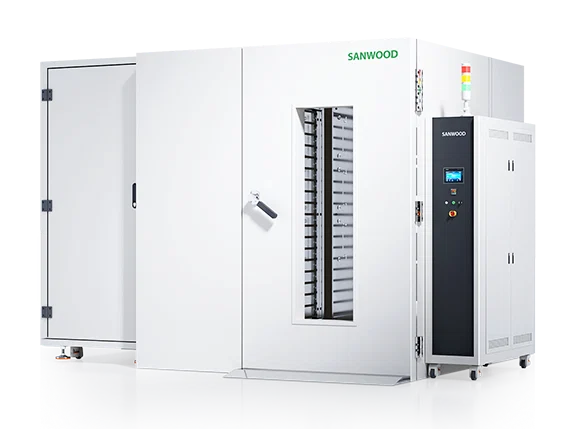
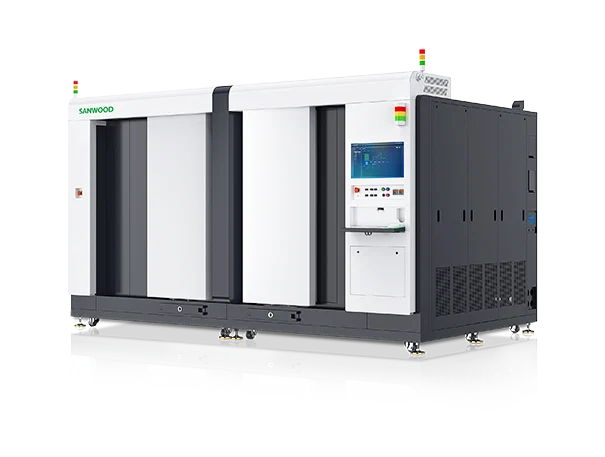
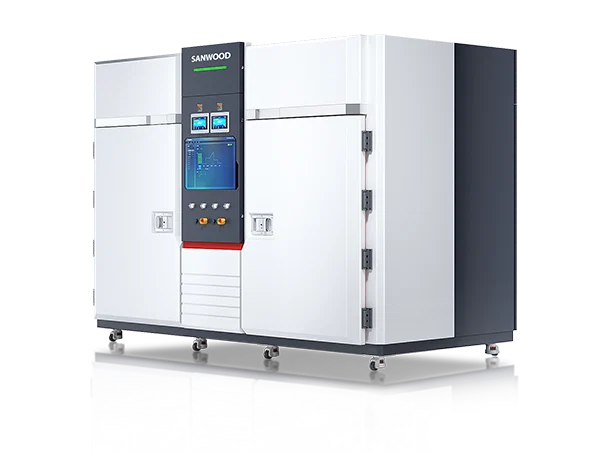
ESS Walk-In Rapid Temperature Change Test Chamber

ESS Walk-In Rapid Temperature Change Test Chamber

Validating compact AI edge nodes or low-volume GPU/TPU modules requires aggressive thermal ramp rates to induce the strain necessary to precipitate latent flaws. Massive environmental rooms waste labor...

Check out the product
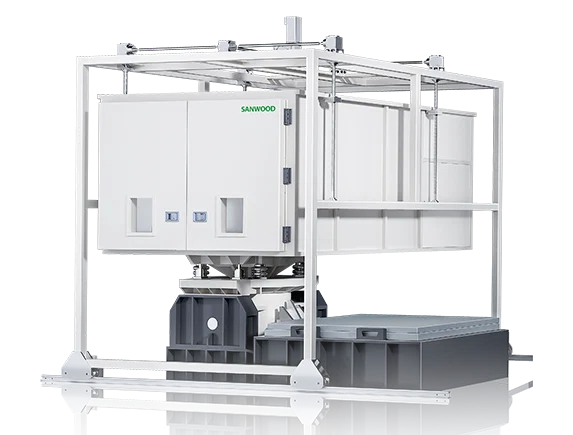
AGREE Test Chamber

AGREE Test Chamber

Validating aerospace avionics and automotive electronics against actual mission profiles demands the simultaneous application of thermal, moisture, and dynamic mechanical stresses. Testing components s...

Check out the product

Want to know more? Talk to an expert! Leave a message and a specialist will get back to you.

Information on how we processyour personal data.